
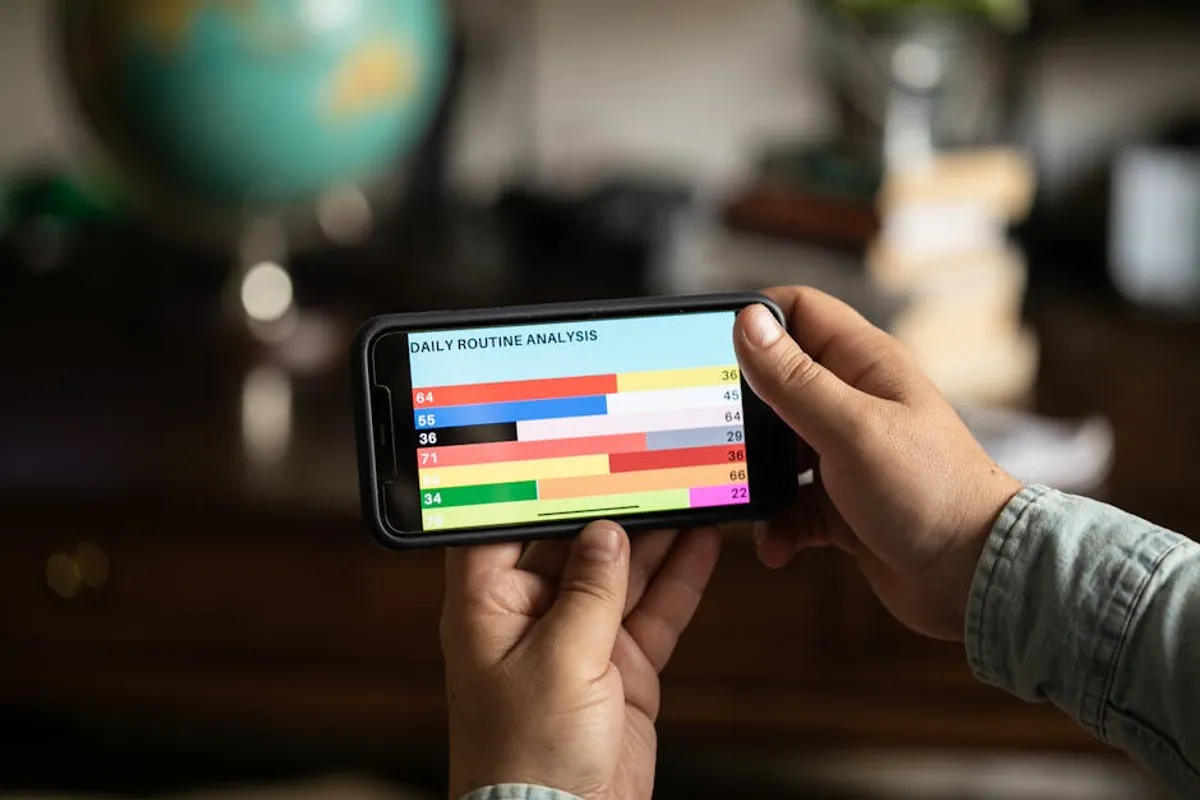
Deciding between daily and weekly rank tracking is not merely a preference; it is a strategic choice with direct implications for budget, operational efficiency, and the agility of your SEO efforts. The optimal frequency hinges on your specific business objectives, the competitive landscape of your industry, and the resources available for data analysis and action. Understanding the distinct advantages and disadvantages of each approach allows for an informed decision that aligns tracking methodology with your overall digital marketing strategy.
Daily Rank Tracking: Granularity and Rapid Response
Daily rank tracking provides the most granular view of your keyword performance, offering a snapshot of SERP positions every 24 hours. This frequency is particularly valuable for environments where market conditions, competitor actions, or algorithm updates can shift rapidly.
- Immediate Performance Indicators: Daily data allows for the swift identification of ranking fluctuations, whether positive or negative. This means you can detect a sudden drop related to a technical issue, a content update, or a competitor's aggressive campaign almost as it happens.
- Agile Strategy Adjustment: For highly competitive sectors like e-commerce, news publishing, or lead generation, daily insights enable rapid adjustments to content, on-page optimization, or link-building strategies. If a critical keyword drops, you can investigate and react within hours, minimizing potential traffic and revenue loss.
- Precise Impact Measurement: When implementing specific SEO changes—such as optimizing a title tag, updating a product description, or launching a new page—daily tracking provides immediate feedback on the impact of those actions. This precision is crucial for A/B testing SEO elements and validating hypotheses quickly.
- Competitor Monitoring: Observing daily shifts in competitor rankings can reveal their strategic moves, such as launching new products, running promotions, or executing their own SEO campaigns. This intelligence allows you to benchmark your performance more closely and anticipate market changes.
Best for: Large enterprises, e-commerce sites with extensive product catalogs, agencies managing high-value client accounts, publishers in fast-moving news cycles, and businesses operating in highly volatile or competitive niches requiring immediate insight into performance changes.
Considerations for Daily Tracking
While offering significant advantages, daily tracking comes with its own set of challenges. The sheer volume of data generated requires robust processing capabilities and a dedicated team to interpret it effectively. Without proper analysis, daily fluctuations can be misinterpreted as significant trends, leading to unnecessary panic or over-optimization.
Pro Tip: Interpreting Daily Data
Daily rank tracking generates significant data noise. Small, transient fluctuations are common and often not indicative of a long-term trend. Focus on identifying sustained movements or sharp, sudden drops that correlate with known events (e.g., algorithm updates, site changes, competitor activity). Avoid reacting to every minor dip; instead, look for patterns over a 3-5 day period before making strategic changes.
The operational cost associated with daily tracking is also higher, encompassing the subscription fees for advanced tracking platforms and the internal resources required for data storage, analysis, and reporting. Businesses must weigh the value of real-time insights against these increased expenditures.
Weekly Rank Tracking: Trend Analysis and Resource Efficiency
Weekly rank tracking provides a more consolidated view of keyword performance, typically updating positions once every seven days. This frequency is often preferred when the pace of change in your industry is slower or when your SEO strategy focuses on long-term growth and sustained improvements.
- Clearer Trend Identification: By smoothing out daily noise, weekly data makes it easier to identify genuine upward or downward trends over time. This allows for a more strategic, less reactive approach to SEO, focusing on sustained gains rather than short-term fluctuations.
- Cost-Effective: Generally, weekly tracking is more budget-friendly than daily tracking. This makes it an attractive option for small to medium-sized businesses, startups, or individual site owners who need reliable data without the higher investment required for daily updates.
- Reduced Data Overwhelm: Less frequent data collection means less data to process and analyze. This reduces the analytical burden on your team, allowing them to focus on broader strategic initiatives and deeper dives into performance rather than daily data triage.
- Integration with Broader Reporting: Weekly SEO reports often align naturally with other business reporting cycles, such as weekly marketing meetings or monthly performance reviews. This consistency simplifies reporting processes and helps integrate SEO insights into wider business discussions.
Best for: Small to medium-sized businesses, content-driven blogs, local businesses with stable SERPs, sites with long-term content strategies, and organizations with limited SEO budgets or analytical resources.
Considerations for Weekly Tracking
The primary drawback of weekly tracking is the potential for delayed detection of critical performance shifts. A significant ranking drop due to a technical error or an algorithm update might go unnoticed for several days, potentially resulting in lost traffic and revenue before corrective actions can be taken. Similarly, competitive moves or emerging opportunities might be identified too late to capitalize effectively.
While weekly data offers a good overview of trends, it lacks the granularity to pinpoint the exact day a change occurred, making it harder to correlate performance shifts with specific on-site updates or external events. This can complicate root cause analysis for sudden performance changes.
Aligning Tracking Frequency with Business Goals
The choice between daily and weekly rank tracking should be a deliberate one, directly informed by your operational context and strategic priorities. Consider the following factors:
- Competitive Intensity: In highly competitive industries where SERPs are volatile, daily tracking offers the necessary agility. For less competitive niches with stable rankings, weekly tracking often suffices.
- Rate of Site Updates: If your website undergoes frequent content updates, product launches, or technical changes, daily tracking provides immediate feedback on the impact of these modifications. Sites with infrequent updates may find weekly tracking more suitable.
- Budget and Resources: Daily tracking demands a larger budget for tools and more internal resources for data analysis. Assess your financial capacity and your team's ability to process and act on high-frequency data.
- Risk Tolerance: How critical is immediate awareness of ranking drops or opportunities? Businesses where even a few days of lost visibility translate to significant revenue loss will lean towards daily tracking.
- Reporting Requirements: Understand the expectations of stakeholders. If immediate performance updates are routinely requested, daily tracking provides the necessary data. If monthly or quarterly strategic reviews are the norm, weekly data can be aggregated effectively.
Strategic Implementation
For many organizations, a hybrid approach offers a balanced solution. You might opt for daily tracking on a core set of highly critical, competitive keywords that drive significant revenue, while tracking less crucial or long-tail keywords on a weekly basis. This allows for focused, rapid response where it matters most, while conserving resources for broader strategic analysis on less volatile terms.
Ultimately, the goal of rank tracking, regardless of frequency, is to provide actionable insights that inform and optimize your SEO strategy. The chosen frequency should empower your team to make timely, data-driven decisions that contribute directly to your business objectives.
Frequently Asked Questions
Can I switch between daily and weekly tracking for the same keywords?
Yes, most advanced rank tracking platforms allow you to adjust the tracking frequency for individual keywords or groups of keywords. This flexibility supports a hybrid approach, where you can monitor high-priority terms daily and less critical terms weekly, optimizing both data granularity and cost efficiency.
Does tracking frequency impact the accuracy of the data?
The frequency of tracking does not inherently impact the accuracy of the data collected at each specific point in time. However, daily tracking captures more data points, which can reveal transient fluctuations or micro-trends that weekly tracking might smooth over. Weekly tracking, by contrast, provides a clearer, less noisy view of sustained trends by averaging out daily volatility.
How do I justify the additional cost of daily rank tracking?
Justify the cost by demonstrating the direct business impact of faster insights. Highlight how daily tracking enables quicker responses to algorithm shifts, competitor actions, or technical issues, thereby minimizing potential revenue loss or capitalizing on emerging opportunities more rapidly. Quantify the value of preventing a multi-day ranking drop or quickly validating a high-impact SEO change.
Is weekly tracking sufficient for highly competitive niches?
While weekly tracking can provide a general overview, it is often insufficient for highly competitive niches where SERPs are volatile and competitor actions are frequent. The delay in detecting significant changes can put your site at a disadvantage, as competitors might react and gain ground before you even become aware of a shift. Daily tracking is generally recommended for such environments to maintain competitive agility.